


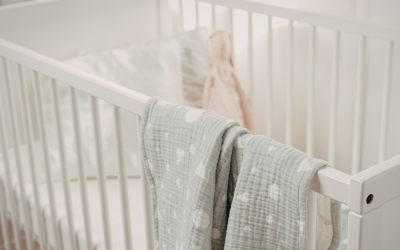

Children experience unique risks for environmental exposure, such as indoor air quality or contaminants in dust, due to spending excessive time close to the floor (crawling, sitting, etc.). Their bodies process contaminants differently from adults. According to the PEHSU, adults absorb 20% of ingested lead while toddlers absorb 50% of ingested lead. This means children are more vulnerable to contaminants like heavy metals, pesticides, and more. Additionally, because children are smaller, they breathe more air relative to their body weight than adults. This makes indoor air quality a risk factor for families with young children. Unfortunately, many household items, including furniture, can contaminate indoor air. Dr. Catherine Karr, MD and PhD, director of the NW Pediatric Environmental Health Specialty Unit at the University of Washington, discusses the risk of chemical exposure from children’s furniture and how to reduce children’s exposure to toxic chemicals. Read the full article here.